Surgery
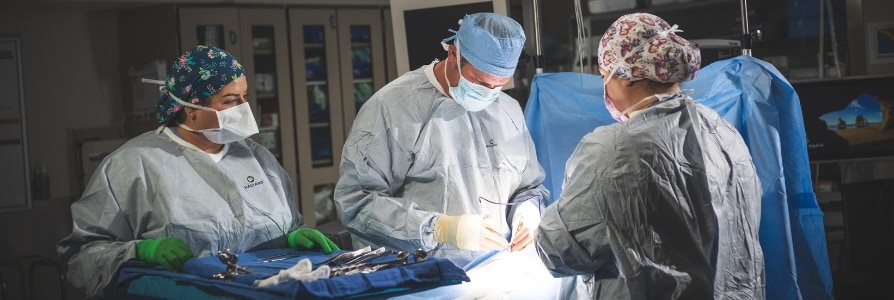
Many diverse conditions often require surgery to treat them. General surgeons are trained to diagnose and manage a wide range of diseases and disorders. Their area of expertise is, essentially, the entire body.
Types of Surgery
Faith Health General Surgery provides consultation and surgery on medical conditions involving the breast, skin, abdomen, endocrine system, gastrointestinal tract, colon, liver, pancreas, rectum and anus.
Other areas of surgery may include:
- Wound Care
- Port Placements
- Breast Lumpectomies and Mastectomies
- Excisions of Skin Lesions
- PH Study and Hiatal Hernia Repair (GERD Surgery)
- Cholecystectomies
- Colon Resections
- Appendectomies
- EGD (Upper Scope) and Colonoscopies
- Biopsies
- Hernia Repair (Open and Laparoscopic)
- Varicose Veins
- PEG Tube (feeding tube) Placements
Our providers perform laparoscopic surgery, whenever possible, to give patients less pain, a shorter recovery and minimal scarring.
What to Expect
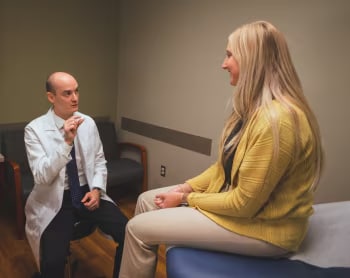 You’ll meet with a general surgeon in an office setting prior to scheduling any surgery to review your medical history, your condition and determine if surgery is ultimately the best treatment option for you.
If it is decided that surgery is needed, you’ll be scheduled for surgery with our Surgery Services.
After your surgery, you’ll often follow-up with a post-op visit with your same surgeon.
Emergency Surgery
If your condition requires emergency surgery, our general surgeons partner closely with our emergency medicine physicians to provide you with safe, timely care for your emergent condition, such as an appendectomy or bowel obstruction.
Colorectal Cancer Screening
Screening can find colorectal cancer early when treatment works best. Regular screening can also prevent colorectal cancer by finding and removing polyps before they become cancerous. The American Cancer Society advises that screening starts at age 45. Talk to your provider about when and how often you should be screened.
45 is the New 50
Colonoscopies are visual exams. You’ll be sedated and your doctor will insert a scope into your rectum and through your colon. Using a camera at the end of the scope, your doctor will look for precancerous polyps or signs of cancer. During the exam, your doctor can remove any polyps discovered. You can be referred or self-refer to get your colonoscopy with our general surgery team. Call (402) 844-8325 to schedule your appointment.

 402-371-4880